







Search Results for: upper limit
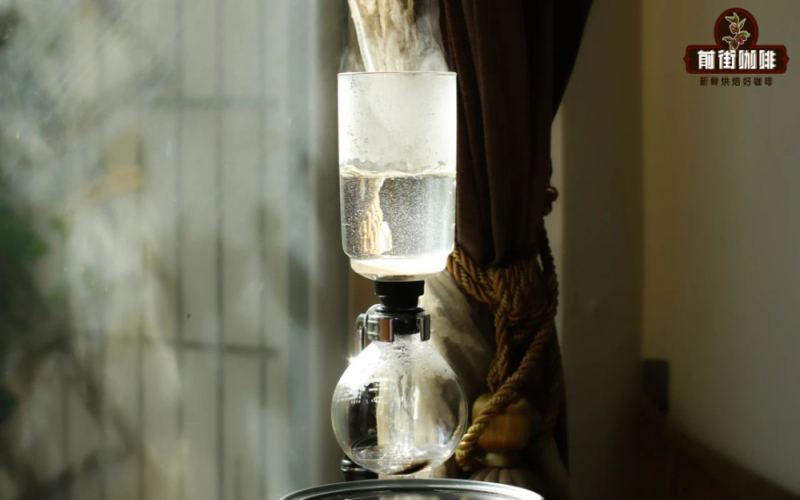
A Complete Guide to Siphon Coffee Brewing: Practical Insights from Equipment Structure to Extraction Parameters
The siphon is now a rare piece of equipment in the current specialty coffee wave; many cafés no longer offer siphon coffee, or keep it only as a special single-origin offering. But for siphon enthusiasts, outside options are limited, so it is better to do it yourself. In this article, Front Street breaks down the complete siphon coffee brewing process in plain language, starting from the upper and lower chamber structure and sealing principle, comparing the trade-offs between flannel cloth filters and round paper filters, analyzing the pros and cons of three heat sources—gas stove, light-wave stove, and alcohol lamp—and delving into the disagreement between adding coffee grounds first versus later, grind size reference, recommended coffee-to-water ratio, and the tapping and stirring technique. At the end, the article includes Front Street’s usual step-by-step operating procedure, covering all stages: pouring water, inserting the upper chamber, adding coffee grounds, stirring, and turning off the heat for drawdown. It is suitable for beginners to follow step by step. [more…]
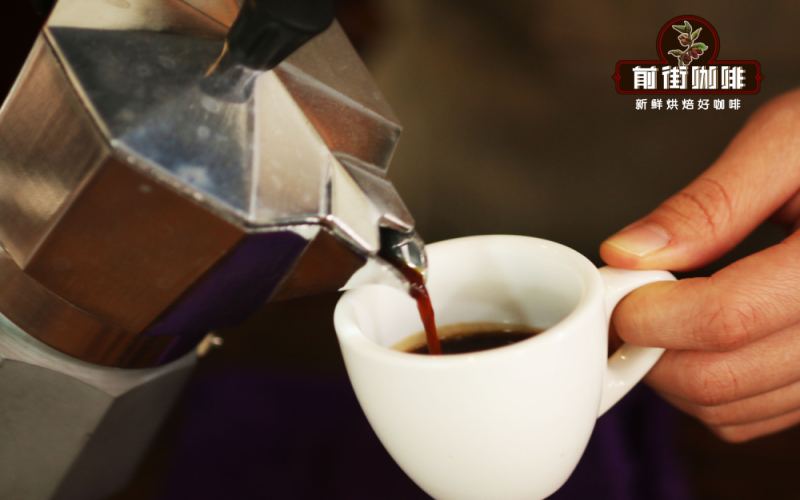
Illustrated Guide to the Correct Way to Use a Moka Pot | Is Moka Pot Coffee Espresso? How Do You Make Americano with a Moka Pot? What Are the Pros and Cons of a Moka Pot?
Coffee from outside is delicious, sure, but who can afford to eat out every day? Some handy friends usually choose to make it at home. For the Americano and latte you drink often, the most important thing is still the espresso base. Due to limited money and space, many friends simply can't make it at home. [more…]

Coffee Equipment | Why don't coffee shops use moka pots to make single-origin coffee? What is the principle behind moka pot coffee extraction?
As coffee has entered people's view and gradually become a part of life, the ways of enjoying coffee are no longer limited to the joy brought by pour-over. There are many ways to make coffee; besides the simple pour-over, there are also espresso, cold brew, siphon, and other methods~ Perhaps you often [more…]

How a Moka Pot Works | What Are the Pros and Cons of a Moka Pot? Does Brewing Black Coffee with a Moka Pot Produce Crema?
As coffee has entered people's lives, it has gradually become a part of everyday life. The enjoyment of coffee is no longer limited to the pleasure brought by pour-over. There are many ways to drink coffee; besides the simple pour-over, espresso-based coffee is everyone's favorite. Perhaps you often hear people say in a coffee shop: "I'll have a [more…]

How to Use a Moka Pot | What's the Difference Between Pour-Over Coffee and Brewing with a Moka Pot? What Are the Pros and Cons of Making Americano with a Moka Pot? Can a Moka Pot Be Used on an Induction Cooktop?
As a "newcomer" among everyday beverages, coffee is something that most people have had at least some experience drinking outside. The freshly ground coffee in cafés is fragrant and sweet, but the number of times you can go out for it is limited by both your free time and the thickness of your wallet. The best solution, of course, is to make it yourself at home. Front Street has encountered many [more…]

Can a 40-Year-Old Still Stand Behind the Bar? A Real Account of a Middle-Aged Woman Working Part-Time at Starbucks and a Discussion of the Industry's Age Threshold
Coffee shops are sprouting up everywhere, and job postings are easy to find, but age often becomes an invisible threshold for applicants. A middle-aged woman who calls herself 40+ successfully applied for a part-time social position at Starbucks and recorded in writing every day of learning to make coffee from scratch. From memorizing cakes and recipes to working the register and closing up, she went through moments of frantic fluster and physical exhaustion, but also gained patient guidance and confidence. At the same time, age standards in coffee industry hiring are becoming increasingly strict, with some brands even setting the upper limit at 27. Through her personal experience, this article explores whether middle-aged beginners still have a place under the highly standardized chain coffee model. [more…]
What Is the Safe Daily Caffeine Limit? Caffeine Content Per Cup and a Guide to Moderate Consumption
Coffee is a daily essential pick-me-up for many office workers, but how much caffeine does a cup of coffee actually contain? How many cups a day is considered moderate? This article examines caffeine content estimates, safe intake limits, and the risks of overdose and toxicity to outline the key scientific points coffee lovers need to know about drinking coffee. It covers reference caffeine values for different coffee drinks, hidden caffeine sources in energy drinks, and intake recommendations for children and adults, helping you more precisely manage your daily caffeine intake and protect your health while enjoying the flavor of coffee. [more…]

How Are the Gold Cup Extraction Yield and Strength Calculated for Pour-Over Coffee? Recommended Coffee-to-Water Ratios and an Analysis of the Evolution of SCA Standards
Many coffee enthusiasts have heard of the Golden Cup extraction theory: ideal concentration 1.15%-1.35%, ideal extraction yield 18%-22%. But this standard actually comes from the SCAA, not the SCA; the European and American coffee associations each have their own positions on ideal concentration. After the SCAA and SCAE merged in 2017, the UC Davis Coffee Center made slight adjustments to the old brewing control chart, loosening the upper concentration limit and the brew ratio range. This article will start with the history of the Golden Cup theory, sort out the differences between the old and new control charts, explain why high concentration with low extraction can highlight acidity while low concentration with high extraction can bring out floral and chocolate notes, and, combined with product information from Front Street Coffee, help you understand how concentration and extraction yield should be judged together, rather than fixating on a single number. [more…]
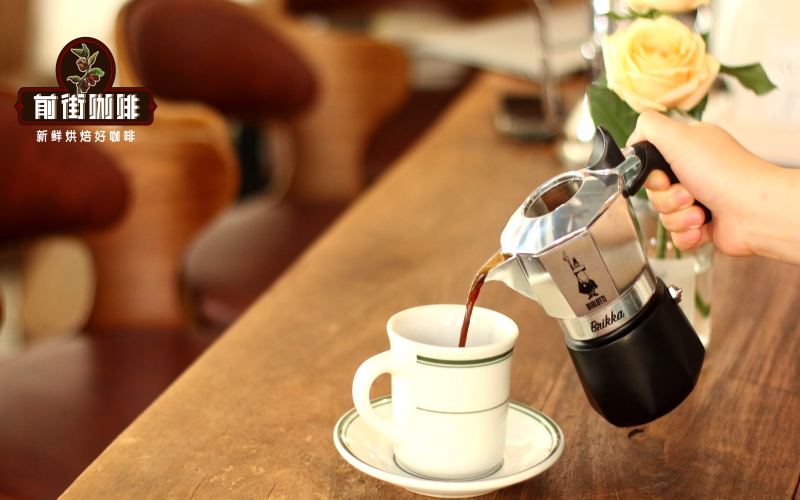
BRIKKA Moka Pot Crema Extraction Secrets and Latte Art in Practice: A Detailed Comparison with Espresso Operations
Can a moka pot produce crema? Can the coffee it makes pour a beautiful latte pattern? This article starts with the unique pressure valve design of the BRIKKA moka pot, breaks down in detail the complete steps for extracting coffee liquid with a moka pot, and compares latte art made with espresso extracted by a moka pot against that from an espresso machine. Through hands-on testing, it can be seen that because a moka pot has limited pressure, its richness and persistence of oils are not as good as an espresso machine, and the clarity and contrast of latte art patterns are also relatively weaker. But if you just want to use a moka pot to make a cup of milk coffee with a pattern and good taste, it is still a choice worth trying. This article uses Front Street Coffee Classic Espresso Blend coffee beans for testing, suitable for coffee enthusiasts as a reference. [more…]
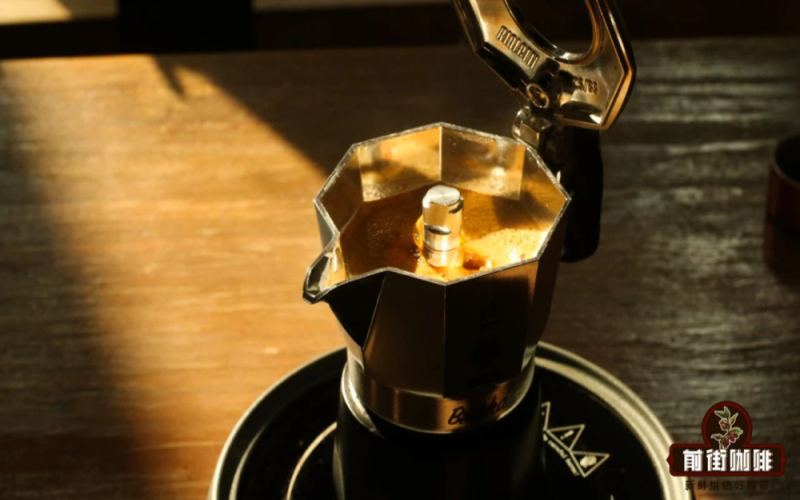
Detailed Guide to Moka Pot Operating Essentials: From Principles to Practice, How to Extract a Rich, Full-Bodied Espresso
To enjoy a cup of espresso with crema at home, the moka pot is the most cost-effective entry-level choice for many enthusiasts. It is affordable and not difficult to operate, but if you want to brew a rich, aromatic coffee with plenty of crema, there are finer points to master—from grind size control and water level to the approach to choosing beans. Drawing on the hands-on experience of Front Street Coffee, this article sorts out the moka pot's construction and standard operating procedure, explains the safety details during brewing, and answers the frequently asked question "What beans are suitable for a moka pot?", helping you reliably recreate at home a mellow flavor close to that of espresso. [more…]

Cocoa-flavored espresso beans | How to brew moka pot coffee so it tastes good? For beginners, which affordable, great-tasting medium-dark roasted coffee beans with a rich, full-bodied flavor are recommended?
As people's demand for rich coffee grows, and in order to satisfy this demand right at their doorstep, the moka pot has come into people's view. It was only after seeing many bloggers' shares online that I realized coffee brewed with a moka pot can also have a rich layer of crema. But when I tried it myself, I kept failing. [more…]
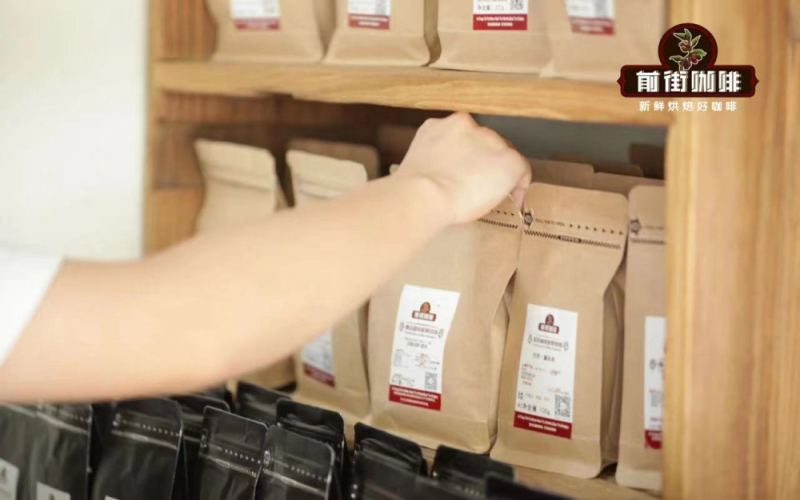
Want to easily make a rich cup of coffee at home? A moka pot is a cost-effective choice besides an espresso machine. But what coffee beans should you pair with a moka pot? And what pitfalls in operation are easy to stumble into? This article starts from the steam extraction principle of the moka pot, explains in detail the key control points such as water temperature, grind size, and water volume, and lays out a five-step illustrated guide. At the same time, for bean selection, combined with the characteristics of medium-dark roasting and pressure extraction, it recommends three Front Street espresso blend beans suitable for the moka pot, helping coffee lovers steadily produce coffee with rich crema and full flavor even on a limited budget. [more…]

Moka Pot Brewing Details and Key Usage Points: Operation Methods, Safety Precautions, and Coffee Bean Selection Guide
To enjoy a rich cup of coffee at home, the moka pot is an extremely cost-effective choice. Although it cannot match the extraction pressure of a professional espresso machine, it can still brew a strong coffee liquid. This article will start with the origin and structure of the moka pot, gradually introduce the operating steps and safety details, recommend Front Street Coffee beans for different tastes, and finally answer the question of whether moka pot coffee can be called espresso. Master these techniques, and you too can easily brew a satisfying cup of moka pot coffee. [more…]

How to Successfully Layer a Dirty Coffee? Analyzing the Intrinsic Connection Between Ice Bock and Dirty and the Key to Making It
The charm of a Dirty coffee lies precisely in that clear layering between the coffee and the milk. Only when layering is achieved can the drinker experience, in a single cup, the rich progression from intense to mellow; otherwise, it is nothing more than an iced latte without the ice. The basic principle behind layering is not complicated: the density of the lower liquid must be higher than that of the upper liquid, and the difference in density between the two creates the layering phenomenon. In practice, however, there are quite a few factors that cause layering to fail, and this article analyzes one by one the various reasons that affect the layering effect. First, let us start with the concentration of the coffee liquid. Many enthusiasts, limited by their circumstances, try to use coffee brewed with a moka pot to make a Dirty, but the concentration and density of coffee from a moka pot fall far short of the espresso extracted by an espresso machine, so it is not suitable as the espresso base for a Dirty. [more…]
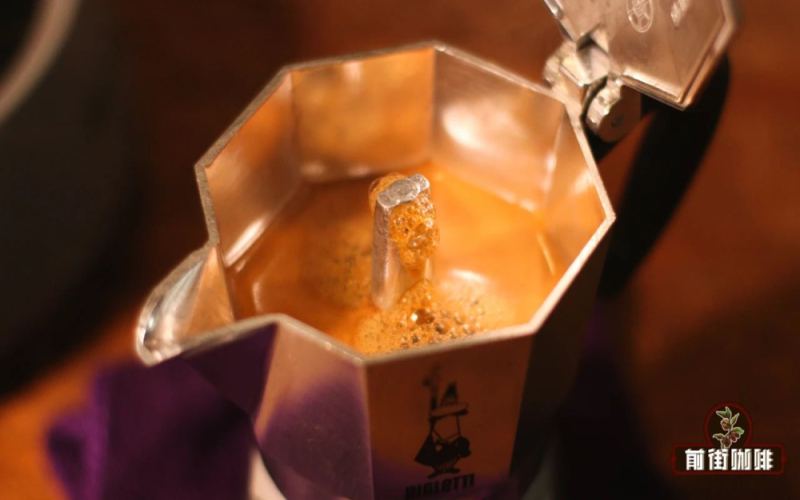
Moka Pot Coffee Brewing Tutorial: A Detailed Guide to Time, Coffee Dose, Grind Size, and Ratio Basics
Nowadays, more and more coffee enthusiasts enjoy making espresso at home themselves. Besides going to a café to order a latte or cappuccino, some have also started trying the easy-to-use moka pot. Although the moka pot is not as intense as espresso, nor as fresh and bright as pour-over, it is the most accessible espresso device. In this article, Front Street will walk you through the working principle of the moka pot, the difference between single-valve and double-valve models, the choice of coffee grind size and water temperature, and other basic knowledge, and share Front Street Coffee's specific steps for brewing coffee with a moka pot, technical details, cleaning and maintenance methods, as well as coffee bean recommendations suitable for the moka pot, to help you easily brew a cup of rich, full-bodied espresso with plenty of crema. [more…]
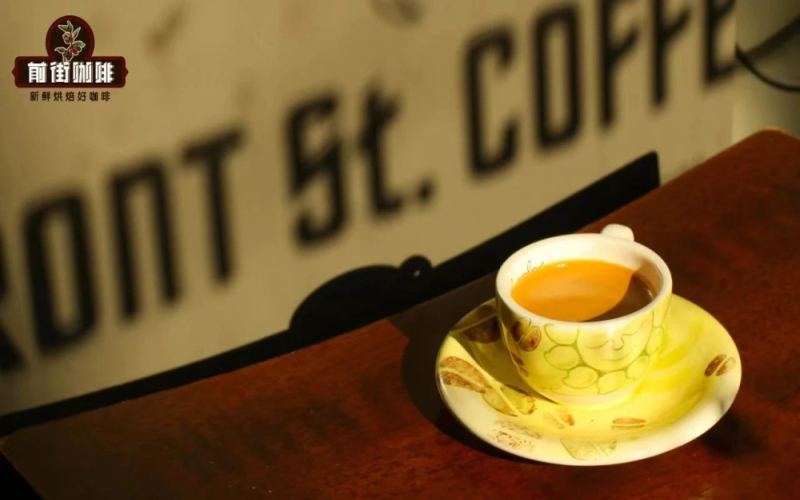
How to Extract Rich Crema with a Moka Pot? A Complete Analysis from Equipment Structure to Practical Steps
To make espresso with golden crema at home, a moka pot is an extremely cost-effective choice. This article will start with the invention background, structural principles, and the differences between single-valve and double-valve moka pots, explain in detail its coffee extraction mechanism along with its pros and cons, and list the required tools and the complete brewing process. It will also recommend Front Street specialty blend coffee beans as a pairing option, include key operating points and precautions for every step from adding water and loading grounds to heating and extraction, and finally share drinking methods such as Americano, latte, and Vietnamese coffee, helping coffee lovers easily recreate a rich and full-bodied Italian-style coffee at home. [more…]
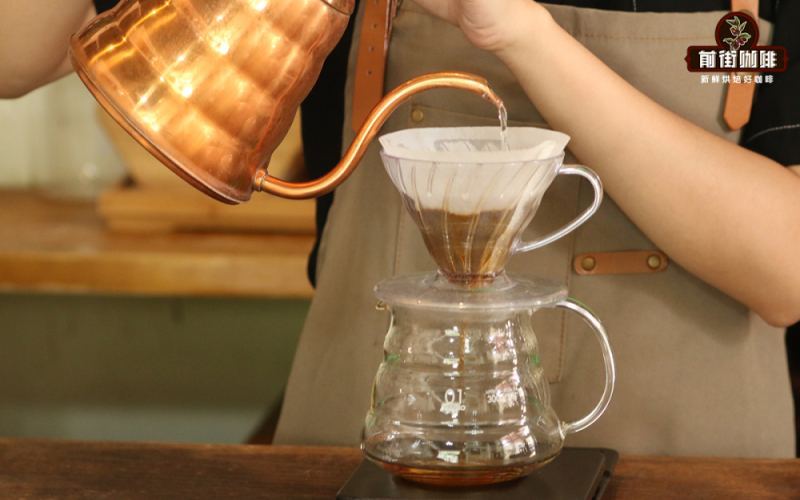
How Much Does It Cost to Get Started with Pour-Over Coffee? Buying Advice on Pour-Over Kettles and Grinders for Beginners
If you want to brew a good cup of coffee yourself, the most direct starting point is to put together a full set of pour-over equipment. Compared with espresso machines, the entry threshold for pour-over is much lower, but as your skills improve, your spending on beans and gear will rise accordingly, and in theory there is no upper limit. So what exactly do you need to prepare at the beginning, and roughly how much will it cost? This article will break down the basic equipment needed for pour-over one by one, from the server, pouring kettle, and grinder to the dripper, thermometer, and more, and give budget references for different tiers. Among these, Front Street particularly emphasizes the importance of the grinder, believing that only a good grinder can produce good coffee, and provides specific buying advice and spending benchmarks to help beginners avoid detours. [more…]
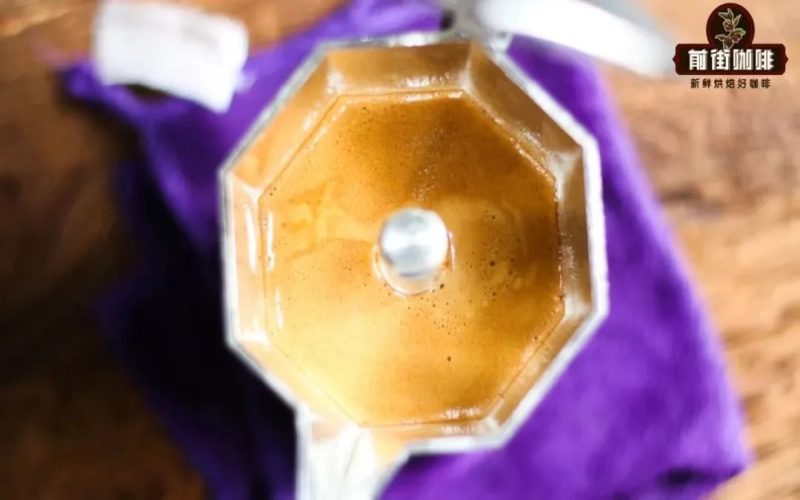
Moka Pot Beginner's Guide: From Structure and Principles to Step-by-Step Operation, Making Espresso at Home with Household Equipment
The moka pot is one of the most common espresso brewing tools in Italian households, using steam pressure to easily extract rich coffee at home. This article starts with the invention background, structural composition, and the difference between single-valve and double-valve moka pots, then provides a detailed analysis of its extraction principle, along with a blend bean recommendation from Front Street Coffee and complete brewing steps. Whether you are a beginner just getting into coffee or a seasoned enthusiast looking for a portable device, you can learn about the advantages and limitations of the moka pot, master the correct usage, avoid common mistakes, and make a cup of espresso with golden crema. [more…]
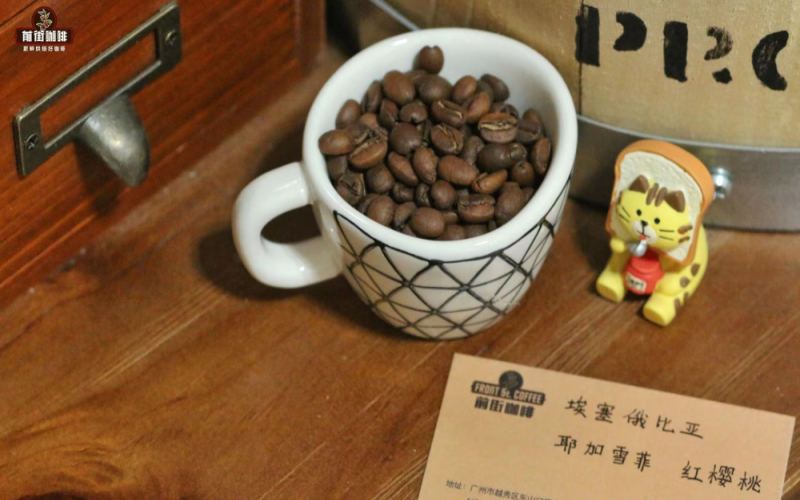
Siphon Coffee Brewing Principles | How to Make Delicious Siphon Coffee? Which Coffee Beans Are Suitable for Siphon Brewing?
In many people's minds, siphon coffee makers have a unique shape akin to chemical apparatus, and they always appear in period films and TV works, giving people a sense of mystery. As a practitioner in the coffee industry, Front Street Coffee naturally values most the use of the siphon brewer and the flavor characteristics of the coffee it brews. Hong [more…]
The Complete Moka Pot Guide: From Extraction Principles to Operational Details, Easily Make Espresso with Crema at Home
To enjoy rich, aromatic espresso with golden crema at home, besides a semi-automatic espresso machine, there is a more accessible option—the moka pot. This small device, born in Italy in 1933, uses steam pressure to extract coffee with a flavor close to Espresso. This article starts with the history and structure of the moka pot and the difference between single-valve and dual-valve models, then explains in detail its pros and cons, extraction principles, and complete brewing steps, along with precautions and various ways to drink it. The article recommends coffee beans suitable for the moka pot, such as Front Street Coffee House Blend and Queen's Estate SOE, to help you find the right choice for opening a shop or daily personal enjoyment. [more…]